Originally published March 12, 2015. Updated September 28, 2026.
The smart grid is today’s power grid with two-way digital communication built into it, and by 2022, 72% of US electric meters could already report your usage automatically instead of waiting for a monthly meter reading. The bigger change is what your utility does with that connection. It pays you to shift when you use power instead of building another plant, and it’s rethinking how it gets paid for running the grid at all.
Smart meters went from rare to the norm
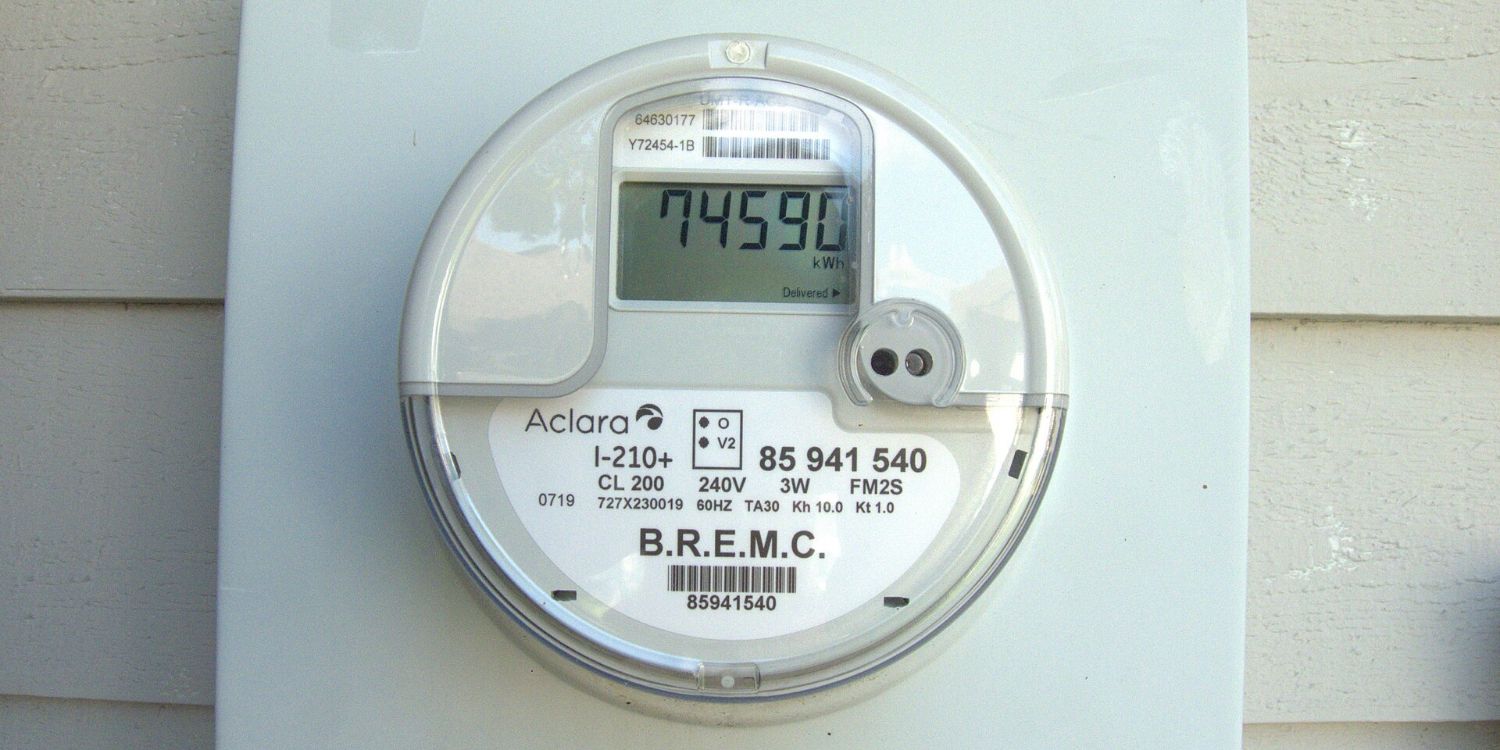
A smart meter is the box on the side of your house, upgraded to send usage data back automatically instead of waiting on a meter reader to check the dial by hand. That upgrade used to be rare. The trend by year:
| Year | Smart meters installed | Share of all US meters |
|---|---|---|
| 2016 | 71 million | 47% |
| 2019 | 94.8 million | 60.5% |
| 2022 | 119 million | 72% |
Source: EIA, Today in Energy, EIA, Electric Power Annual Table 10.10, EIA’s meter FAQ.
The pool of meters those shares are measured against grew too, from about 150 million total US meters in 2016 to 156.6 million by 2019. The smart share climbed on top of a bigger base of meters every year.
On homes specifically, the 2022 share is higher. 73% of residential meters are smart meters, the number that feeds directly into the rates and programs covered next. Turn that around and more than one in four homes were still without one, which is why your bill might still be based on a once-a-month estimate instead of your actual hourly use. That figure comes from EIA data last updated in October 2023, so meters installed since then aren’t counted in it yet.
What demand response and virtual power plants pay you for
A grid operator uses demand response to pay you, or your smart thermostat dialing the air conditioner back two degrees on a hot afternoon, for using less power during an hour instead of firing up an expensive plant to cover it. Grid operators buy that promise of available capacity much like they buy capacity from power plants. Retail and wholesale demand response programs combined could cut roughly 63 GW at peak, based on FERC’s most recent tally, which draws on 2022 and 2023 filings.
The wholesale piece, run mostly by regional grid operators instead of individual utilities, covers about 6.5% of wholesale peak demand on its own. That wholesale authority was itself contested in court. The DC Circuit ruled in 2014 that FERC’s formula for paying wholesale demand response exceeded its authority, and FERC asked the Supreme Court to take up the case. On the customer side, 10.3 million customers were enrolled in incentive-based retail demand response programs in 2022, a slight dip from the year before.
A virtual power plant is the newer, more automated version of the same idea. Instead of one utility program, thousands of home batteries and smart thermostats get pooled together and dispatched like a single plant. The Department of Energy wants to triple that capacity by 2030, a move it estimates could save the grid $10 billion a year.
As of September 2023, reporting on that plan put the pooled virtual power plant fleet at 30 to 60 GW. The department wants to push that to 80 to 160 GW by 2030. At that scale, virtual power plants could cover 10% to 20% of US peak demand.
Time-of-use rates finally caught up with the meters
Time-of-use and other dynamic electricity rates charge different prices depending on when you use power, cheaper overnight and pricier during the evening peak. FERC counted 15.6 million US customers enrolled in one of these dynamic or time-varying pricing programs in 2022, up 6.5% from the year before. That total covers time-of-use plans along with critical-peak pricing and real-time pricing, so not everyone in it sits on a strict time-of-use plan.
For a household using the average 10,791 kilowatt-hours a year, when you run the dishwasher can now matter almost as much as how much you run it.
What New York’s Reforming the Energy Vision built
New York’s version of this predates most of it. Local clean-energy advocates saw the state’s Reforming the Energy Vision plan as the best shot at a grid that could handle more wind and solar power. A March 2015 analysis for the Environmental Defense Fund described the state’s newly issued “Track One” order, which had set up utilities as “Distributed System Platform” operators on February 26, 2015.
That order put utilities in charge of running a technology and market platform where outside companies would compete to sell demand response and efficiency, plus storage and solar power, instead of the utility owning it all. The role covered planning the system and running the grid day to day, plus operating the new markets for those outside providers. New York’s Public Service Commission kept utilities from owning most of those resources themselves, a split modeled on how regional grid operators stay separate from owning power plants in wholesale markets, to avoid a conflict of interest. If you’re a New York utility customer, this order is why your utility doesn’t own most of the solar panels and batteries tied into its own grid.
A second order in May 2016 filled in how utilities would get paid for that role, adding a new Value of Distributed Energy Resources tariff, or VDER, that replaced net metering. A decade on, REV has real wins and real shortfalls attached to it.
New York became the #1 US community solar market by 2020, a result analysts partly credit to VDER. Con Edison’s Brooklyn-Queens Demand Management program paid for demand response and storage instead of building new wires, deferring a $1.2 billion substation upgrade. On the other side of the ledger, the Distributed System Platform concept had advanced only partially by late 2021, and the earnings adjustments meant to reward utilities for running it well stayed inconsistent from one rate case to the next.
Utility business models are changing beyond New York
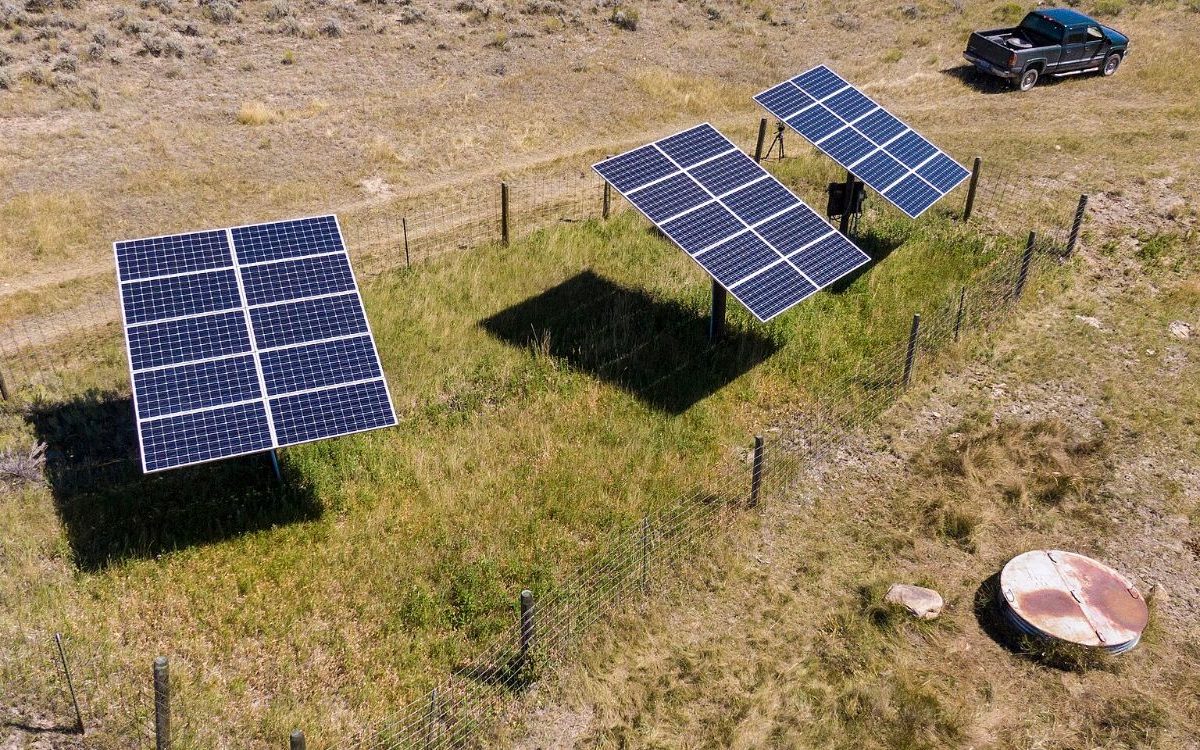
New York didn’t invent this pressure. Every rooftop solar panel or home battery a customer installs is capacity the utility didn’t build and doesn’t own. If you’ve put panels on your own roof or a battery in your garage, yours is part of that capacity. REV’s answer, described above, was to give the utility an official role in planning around that equipment and running the market for services built on top of it, instead of leaving each utility to work it out program by program on its own.
That pressure isn’t limited to investor-owned utilities like the ones REV targets. Electric cooperatives face the same question of how to plan around solar panels and batteries they don’t own. They serve 42 million people and power more than 23 million homes, businesses, schools and farms across 48 states. Utilities and regulators have argued over distributed generation and utility disintermediation for a decade, before REV and after it, as they move from building wires and billing by the kilowatt-hour toward planning around equipment they don’t own.
Your bill is where this fight eventually lands
That question isn’t settled outside New York either. Every state regulates it through its own public utility commission, deciding case by case how much a utility earns for planning around equipment it doesn’t own instead of building more wires. There’s no single national formula yet, which is why whether your utility gets paid to help you use less power, instead of building another plant, still depends on which state you live in and which rate case happens to be running.